
Introduction
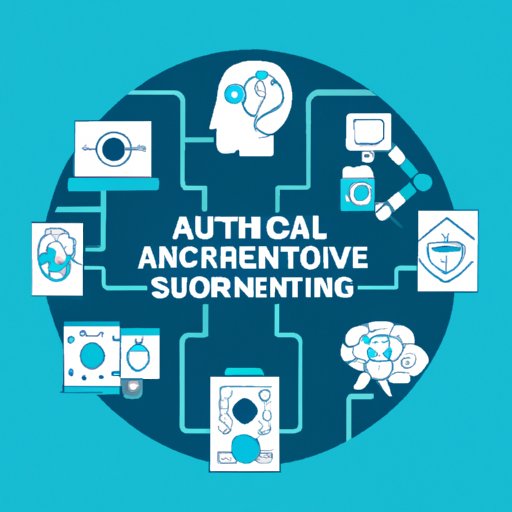
Artificial intelligence (AI) is a branch of computer science that deals with the development of machines capable of performing tasks that normally require human intelligence. It has been around for decades, but has recently become more popular due to advances in computing power and data analytics. AI has a wide range of applications, from automating mundane tasks to improving healthcare and educational outcomes.
The purpose of this article is to explore the potential benefits of AI and how it can be used to improve the lives of people in various settings. We will look at how AI can help reduce human labor, its potential in healthcare and education, its role in business productivity, the use of AI for human-computer interaction, and the impact on public safety and security.
Benefits of Artificial Intelligence for Automating Repetitive Tasks
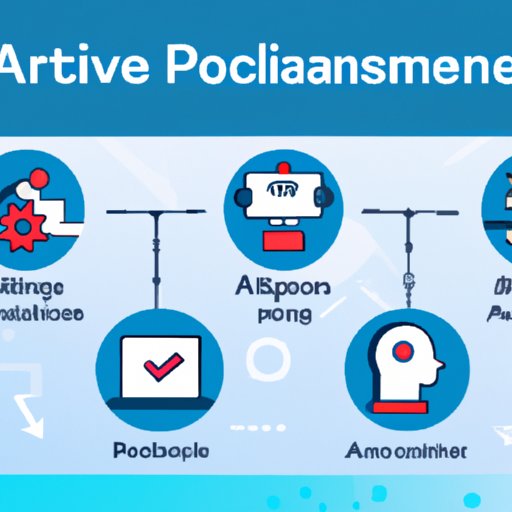
One of the major benefits of AI is its ability to help reduce human labor by automating mundane, repetitive tasks. AI systems are designed to learn from experience and identify patterns in data, which can be used to automate processes that would otherwise require manual input. This can help free up time and resources for businesses to focus on more important tasks.
AI is already being used in a variety of industries, from manufacturing to retail. For example, Amazon’s warehouses are equipped with robotic arms that help sort and package items for shipping. AI is also being used in banking to detect fraudulent transactions and in agriculture to monitor crop health.
Potential of AI in Healthcare and Education
AI has the potential to revolutionize the healthcare industry. By analyzing large amounts of medical data, AI systems can assist doctors in diagnosing diseases and developing more effective treatments. AI can also be used to analyze patient records, detect trends in disease progression, and suggest personalized treatment plans.
AI can also be used in the educational sector to improve learning outcomes. AI-powered virtual tutors can provide personalized instruction, while AI-based platforms can help teachers monitor student progress and adapt lessons accordingly. AI can also be used to assess student performance and provide feedback on areas of improvement.
Impact of AI on Business Productivity
AI can have a significant impact on business productivity. By automating tedious tasks, such as data entry, AI systems can increase efficiency and accuracy in data processing. AI can also be used to automate customer service tasks, such as responding to customer inquiries or providing product recommendations.
AI can also help businesses save time and resources by automating mundane tasks, such as scheduling meetings or managing employee attendance. This can help free up time and resources for businesses to focus on more important tasks.
Role of AI in Enhancing Human-Computer Interaction
AI can also be used to enhance human-computer interaction. Natural language processing (NLP) can be used to understand user intent and provide relevant responses. AI-powered chatbots can be used to provide customer support, while AI-powered virtual assistants can help users find information quickly and easily.
AI can also be used to create more immersive experiences through augmented reality (AR). AR applications can be used to provide users with an enhanced view of the world around them, such as providing directions or highlighting points of interest.
Use of AI to Improve Public Safety and Security
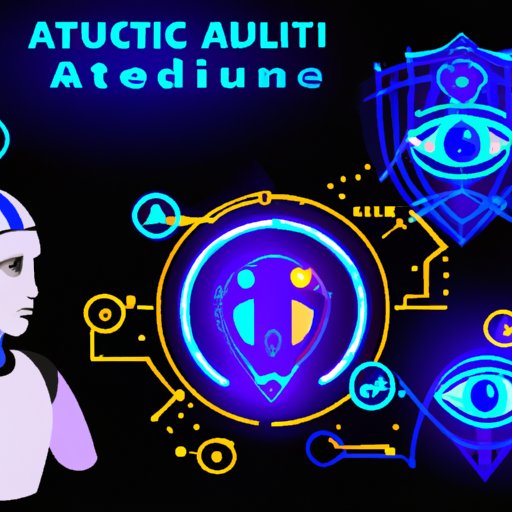
AI can also be used to improve public safety and security. Facial recognition technology can be used to identify individuals for law enforcement purposes. AI-enabled surveillance cameras can be used to detect suspicious activity and alert authorities. Automated systems can also be used to respond to natural disasters, such as floods or fires.
Conclusion
In conclusion, AI has the potential to improve human lives in a variety of settings. It can help reduce human labor by automating mundane tasks, improve healthcare and educational outcomes, increase business productivity, enhance human-computer interaction, and improve public safety and security. As AI technology continues to advance, we can expect to see even greater benefits in the future.
(Note: Is this article not meeting your expectations? Do you have knowledge or insights to share? Unlock new opportunities and expand your reach by joining our authors team. Click Registration to join us and share your expertise with our readers.)