
Introduction
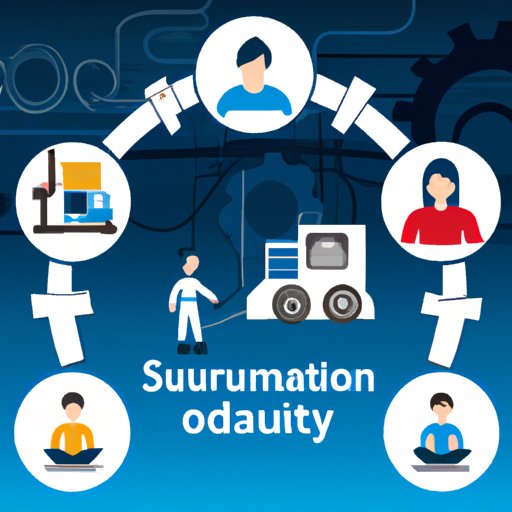
Automation is a term used to describe the use of technology and automated systems in order to replace or supplement human labor. In recent years, automation has become increasingly popular in businesses as a way to increase efficiency and reduce costs. However, there are also many potential risks associated with automation that must be considered before implementing an automated system. This article will explore the impact of automation on business, examining the potential pros and cons from various perspectives.
Examining the Impact of Automation on Employment
One of the most significant impacts of automation on business is its effect on the job market. Automation has led to the displacement of many workers, particularly those in low-skill positions. According to a 2018 report by the McKinsey Global Institute, “up to 375 million workers—or 14 percent of the global workforce—may need to switch occupational categories” due to automation.
While some may argue that automation has a negative effect on employment, there are also potential benefits. Automation can lead to more efficient and cost-effective operations, enabling businesses to produce more goods and services with fewer resources. This can create new opportunities for employment, such as jobs in engineering, programming, and maintenance. Additionally, automation can help reduce dangerous or monotonous tasks, allowing individuals to focus on higher-level activities.
The long-term effects of automation on employment are still largely unknown. It is important for businesses to consider the potential implications of automation and how it might affect their workforce in the future.
Exploring the Effects of Automation on Productivity
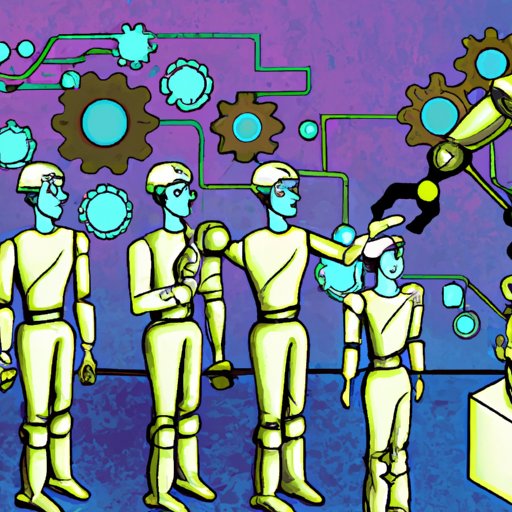
Automation can have a significant impact on productivity, both positively and negatively. On the one hand, automation can streamline operations, reducing costs and increasing efficiency. This can result in increased output and improved quality. For example, automating repetitive tasks can free up employees to focus on more complex tasks, leading to higher overall productivity.
On the other hand, there are challenges associated with implementing automation. Automation requires significant upfront investment, and it can take time to implement and adjust systems. Additionally, errors in automated systems can lead to costly delays and disruptions. As such, businesses must carefully weigh the potential benefits and risks when deciding whether to invest in automation.
Overall, automation can be an effective tool for improving productivity, but businesses must ensure that they are prepared to handle the potential challenges associated with it.

Analyzing the Impact of Automation on Manufacturing and the Supply Chain
Automation is becoming increasingly common in manufacturing and supply chain management. Automated systems can help streamline production processes and reduce costs, leading to increased efficiency and productivity. Additionally, automation can help reduce the risk of human error, which can lead to greater accuracy and consistency in the production process.
However, automation also poses certain risks. Automated systems can be expensive to implement, and they can require significant time and effort to maintain. Additionally, automated systems can be vulnerable to cyberattacks, which can disrupt production and damage the reputation of the business. As such, businesses must carefully consider the potential risks and rewards of automating manufacturing and supply chain activities.
Investigating the Impact of Automation on Business Processes
Automation can also have an impact on business processes. Automation can simplify complex tasks, such as accounting and data analysis, and enable businesses to operate faster and more efficiently. Additionally, automated systems can help reduce costs by eliminating the need for manual labor.
However, automation can also pose certain challenges. Automated systems can be difficult to set up and maintain, and they may require specialized expertise. Additionally, automated systems can be vulnerable to errors, resulting in costly mistakes. As such, businesses must carefully evaluate the potential benefits and risks of automating business processes.

Evaluating the Impact of Automation on Quality Control
Automation can also have an impact on quality control. Automated systems can help improve accuracy and consistency, reducing the risk of human error. Additionally, automation can help ensure that products meet established standards and requirements.
However, there are potential issues with automated quality control systems. Automated systems can be expensive to implement and maintain, and they can be vulnerable to errors. Additionally, automated systems may not be able to detect subtle differences in quality, which could lead to subpar products. As such, businesses must carefully consider the potential benefits and risks of automating quality control.
Assessing the Impact of Automation on Customer Service
Finally, automation can have an impact on customer service. Automation can help streamline customer service processes, reducing costs and increasing efficiency. Additionally, automated systems can provide customers with more accurate and consistent information, leading to better experiences.
However, there are challenges associated with automating customer service. Automated systems can be difficult to set up and maintain, and they may not be able to provide personalized responses to customers. Additionally, automated systems can be vulnerable to errors, resulting in frustration for customers. As such, businesses must carefully evaluate the potential benefits and risks of using automation for customer service.
Conclusion
In conclusion, automation has the potential to significantly impact business, both positively and negatively. Automation can lead to increased efficiency and productivity, but it can also present challenges such as high upfront costs and potential disruptions. As such, businesses must carefully weigh the potential benefits and risks when considering automation. Ultimately, automation can be an effective tool for businesses, but it is important to understand the potential implications before investing in an automated system.
(Note: Is this article not meeting your expectations? Do you have knowledge or insights to share? Unlock new opportunities and expand your reach by joining our authors team. Click Registration to join us and share your expertise with our readers.)