
Introduction
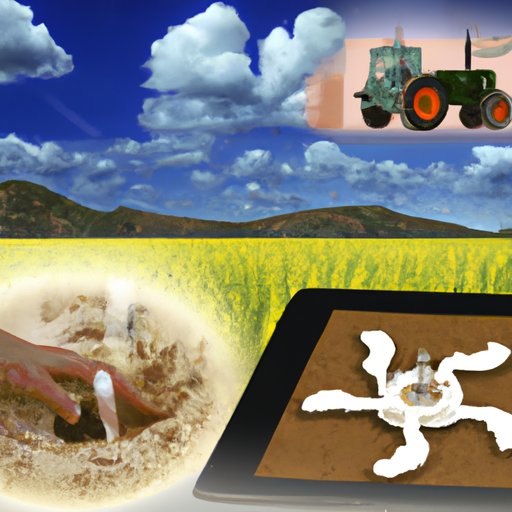
New farming technology has revolutionized the agricultural industry over the past few decades, providing farmers with access to advanced tools, equipment, and techniques to increase crop yields and improve animal husbandry. While this technology can provide numerous benefits, there are also potential negative aspects that must be considered before its implementation.
Definition of New Farming Technology
New farming technology is a broad term that encompasses any type of modern technology used in agriculture, such as genetically modified organisms (GMOs), precision agriculture, automated machinery, and artificial intelligence. These technologies have been developed to increase efficiency, reduce labor costs, and optimize production.
Overview of Negative Aspects
Despite the promise of increased productivity and efficiency, there are several potential drawbacks associated with the use of new farming technology. These include increased costs, dependence on technology, potential for environmental damage, loss of traditional skills, unintended side effects, impact on small farmers, and risk of corporate takeover. Each of these issues is discussed in more detail below.
Increased Cost of Farming
One of the primary concerns related to new farming technology is the high upfront cost of investing in the necessary equipment and infrastructure. According to research by the National Center for Appropriate Technology, “the cost of purchasing and installing the latest high-tech equipment can range from tens of thousands of dollars to hundreds of thousands of dollars.” Furthermore, ongoing maintenance and repair costs can add to the financial burden of using this technology.
In addition, obtaining financing for these investments can be difficult, particularly for smaller farms. As noted in a report by the American Farm Bureau Federation, “many lenders are unwilling to finance the purchase of such expensive items due to the inherent risk associated with the investment.”
Dependence on Technology
Another potential downside to new farming technology is the reliance on machine operation. While automation can reduce labor costs, it also removes the human element from the farming process, which can lead to decreased quality control and an inability to respond quickly to unexpected changes in the environment or market conditions.
Furthermore, there is the possibility of malfunction, which can lead to significant losses if not addressed promptly. As noted by the National Sustainable Agriculture Coalition, “even with the most advanced technology, breakdowns and malfunctions can occur, leading to costly repairs and lost time.”
Potential for Environmental Damage
The use of synthetic fertilizers and pesticides can have detrimental effects on the environment, such as air and water pollution. Similarly, monoculture planting practices can lead to soil erosion, nutrient depletion, and reduced biodiversity. As reported by the International Institute for Environment and Development, “the use of intensive farming techniques can lead to long-term land degradation, resulting in reduced yields and increased vulnerability to climate change.”
Loss of Traditional Skills
As automation replaces manual labor, traditional farming skills and knowledge are being lost. This includes agronomy and animal husbandry, which are essential to sustainable farming practices. As noted in a study conducted by the University of California, Davis, “without adequate training, farmers may lack the necessary skills and experience to effectively manage their operations and maximize their yields.”
Unintended Side Effects
The use of new farming technology can also have unintended side effects, such as health and safety risks. For example, the use of GMOs can introduce allergens into the food supply, while the use of pesticides and herbicides can have adverse effects on human health. Additionally, the disruption of local food systems caused by large-scale industrial farming can lead to displacement of small farmers and reduced access to fresh, healthy foods.
Impact on Small Farmers
Small farmers often struggle to compete with larger farms that are better equipped to utilize new farming technologies. As stated in a report by the United Nations Food and Agriculture Organization, “smallholder farmers often lack access to the resources and capital needed to invest in new technologies, leaving them at a disadvantage when competing in the global marketplace.”
Risk of Corporate Takeover
The concentration of power in the hands of a few large corporations is a major concern for many farmers. According to research by the World Bank Group, “these companies possess the resources to acquire and control large amounts of land and technology, which could lead to a reduction in autonomy for smaller farms and increased market power for the corporations.”
Conclusion
New farming technology can provide numerous benefits, but there are also potential negative aspects that must be taken into consideration. Increased costs, dependence on technology, potential for environmental damage, loss of traditional skills, unintended side effects, impact on small farmers, and risk of corporate takeover are all potential risks associated with the use of this technology. To mitigate these risks, it is important to ensure that farmers have access to the necessary resources and training to effectively utilize the technology, and that regulations are in place to protect the environment and promote competition in the marketplace.
(Note: Is this article not meeting your expectations? Do you have knowledge or insights to share? Unlock new opportunities and expand your reach by joining our authors team. Click Registration to join us and share your expertise with our readers.)