
Introduction
Citizen science projects involve members of the public in scientific research. These projects allow individuals to participate in data collection or analysis that would otherwise be too costly or complex for traditional research institutions. By engaging with citizen science, participants can gain access to cutting-edge research, develop new skills and contribute to important causes.
Exploring the Benefits of Citizen Science Participation
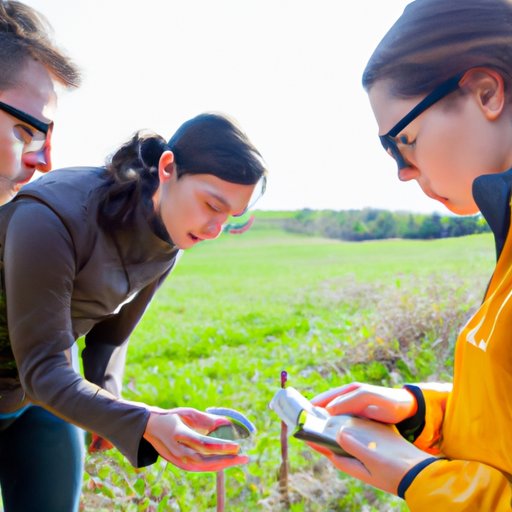
The benefits of participating in citizen science projects are numerous. These include the opportunity to access cutting-edge research, develop new skills and contribute to important causes.
Access to Cutting-Edge Research
Participating in citizen science projects gives members of the public access to research opportunities that they may not have had access to before. This could range from collecting data on local wildlife to helping analyse images of distant galaxies. According to a study conducted by the University of East Anglia, “citizen science offers the chance to get involved with leading edge research and to collaborate with experts.”
Developing New Skills
By participating in citizen science projects, members of the public can develop new skills, such as data collection and analysis techniques. This can be particularly beneficial for those who are looking to break into the field of research, or those who are interested in learning more about scientific methodology. As the same study from the University of East Anglia found, “participation in citizen science projects can help build skills and knowledge for all involved.”
Contributing to Important Causes
By taking part in citizen science projects, members of the public can make a real difference to important causes. For example, by recording data on local wildlife, participants can help scientists monitor changes in biodiversity, or by analysing images of distant galaxies, they can help astronomers identify new star systems. As Dr. Chris Lintott, an astrophysicist at the University of Oxford, states, “citizen science gives everyone the opportunity to contribute to real research.”
Investigating the Types of Citizen Science Projects
Citizen science projects come in many different forms. The following section looks at some of the most common types of projects.
Environmental Projects
Environmental projects involve collecting data on local wildlife, such as bird populations or wildflower blooms. This data can then be used to monitor changes in biodiversity or assess the impact of climate change. One example of an environmental citizen science project is the Great Sunflower Project, which encourages participants to record the number of sunflowers they see in their local area.
Healthcare and Medical Projects
Healthcare and medical projects involve collecting data on health-related topics, such as diet, exercise or sleep habits. This data can then be used to better understand the causes of diseases and inform public health policies. An example of a healthcare and medical citizen science project is the UK Biobank, which collects genetic data from over 500,000 volunteers in order to better understand the links between genetics and disease.
Astronomy Projects
Astronomy projects involve collecting or analysing data on celestial bodies, such as stars, planets and galaxies. This data can then be used to better understand the structure and evolution of the universe. An example of an astronomy citizen science project is the Milky Way Project, which encourages participants to identify and classify features in images of the Milky Way.
Social Science Projects
Social science projects involve collecting or analysing data on social phenomena, such as human behaviour or cultural trends. This data can then be used to better understand social dynamics and inform public policies. An example of a social science citizen science project is the Global Days of Listening, which encourages participants to conduct interviews with people in their local community and share their stories online.
Examining the Impact of Citizen Science on Research
Citizen science has had a significant impact on research in recent years. This section looks at some of the ways in which citizen science projects have impacted research.
Enhancing Data Collection
Citizen science projects have helped enhance data collection by providing researchers with access to larger datasets than would otherwise be possible. This has allowed researchers to collect more detailed data on a wide range of topics, from local wildlife to distant galaxies. As Professor Janis Dickinson, director of the Cornell Lab of Ornithology, states, “by involving citizens in data collection, we have been able to collect data on an unprecedented scale.”
Increasing Awareness of Scientific Issues
Citizen science projects have also increased public awareness of scientific issues. By engaging with citizen science, members of the public can learn more about the research process and become more informed about key issues, such as climate change or biodiversity loss. As Professor Dickinson notes, “citizen science has helped to raise awareness of scientific issues and engage the public in the research process.”
Encouraging Public Engagement
Finally, citizen science projects have encouraged public engagement with research. By taking part in citizen science projects, members of the public can contribute to important causes and feel a sense of ownership over the research they are involved in. As Professor Dickinson states, “citizen science has opened up a whole new world of research participation and given people a sense of ownership over the research they are involved in.”
Profiling Successful Citizen Science Projects
Citizen science projects have been used to great effect in recent years. The following section looks at three successful projects.
Zooniverse
Zooniverse is a platform for citizen science projects. It was launched in 2007 and has since grown to become the world’s largest and most popular platform for citizen science, with over 1.5 million registered users. Zooniverse hosts a wide range of projects, from monitoring whale populations to transcribing historical documents.
FoldIt
FoldIt is a puzzle game developed by the University of Washington in 2008. Players are tasked with folding proteins into their most stable arrangement, with the aim of helping scientists understand the structure of proteins and their role in disease. To date, FoldIt has been used to solve several protein structures, including one related to the Zika virus.
Galaxy Zoo
Galaxy Zoo is an astronomy project launched in 2007. Participants are asked to classify galaxies based on their shape, with the aim of helping astronomers better understand galaxy formation and evolution. To date, Galaxy Zoo has classified over 900 million galaxies and is considered one of the most successful citizen science projects ever undertaken.

Looking at the Challenges Faced by Citizen Scientists
Although citizen science projects have been successful in recent years, there are still some challenges that need to be addressed. This section looks at some of the most common challenges faced by citizen scientists.
Time Commitment
One of the biggest challenges faced by citizen scientists is the time commitment. Participating in citizen science projects can be time consuming, and it can be difficult for participants to find the time to dedicate to their projects. As Dr. Lintott notes, “it can be hard to find the time to commit to a citizen science project, especially if you have a busy lifestyle.”
Limited Resources
Another challenge faced by citizen scientists is limited resources. Many citizen science projects rely on volunteer effort and do not have access to the same level of funding as traditional research institutions. This can limit the scope of projects and the amount of data that can be collected. As Dr. Lintott states, “many citizen science projects are limited by their lack of resources, which can restrict the amount of data that can be collected.”
Accessibility Issues
Finally, accessibility issues can be a challenge for some citizen science projects. Not all projects are accessible to everyone, and this can limit the number of people who can take part. As Dr. Lintott notes, “some citizen science projects are not accessible to everyone, due to language or technical barriers, which can limit participation.”
Conclusion
In conclusion, citizen science projects provide members of the public with an opportunity to participate in scientific research. These projects offer a variety of benefits, from access to cutting-edge research to developing new skills. They have also had a significant impact on research, from enhancing data collection to increasing public awareness of scientific issues. Although there are some challenges faced by participants, such as time commitment and limited resources, citizen science projects remain an important tool for engaging the public in scientific research.
(Note: Is this article not meeting your expectations? Do you have knowledge or insights to share? Unlock new opportunities and expand your reach by joining our authors team. Click Registration to join us and share your expertise with our readers.)