
Introduction
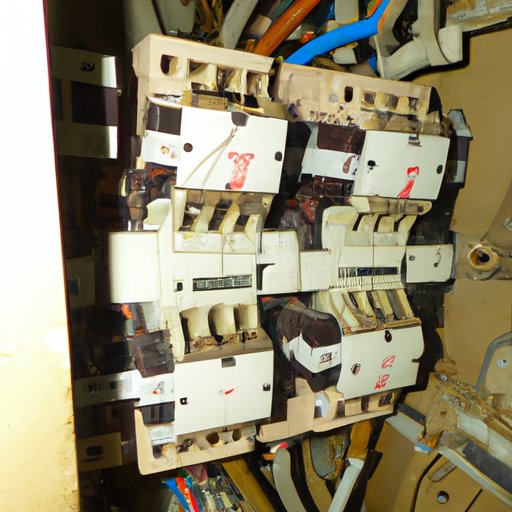
Circuit breakers are an important part of any home’s electrical system. They work as a safety feature to prevent damage from occurring due to an overload or short circuit in the wiring. When a circuit breaker trips, it interrupts the flow of electricity and prevents a hazardous situation from arising. But what exactly can cause a circuit breaker to trip?

Definition of a Circuit Breaker
A circuit breaker is a device used to protect a home’s wiring system from overloading or short circuiting. It does this by automatically breaking the circuit when it detects a high level of current flowing through the wires. This interrupts the flow of electricity, preventing further damage from occurring. Circuit breakers come in a variety of sizes and types, depending on the amount of current they are designed to handle.
Overview of Common Causes of Tripping
There are several common causes of a circuit breaker tripping. These include overloaded circuits, faulty wiring, poorly maintained equipment, incorrectly sized breakers, ground fault interruptions, and water damage to electrical components. Each of these issues can be identified and rectified with the right knowledge and tools.
Overloaded Circuits
One of the most common causes of a circuit breaker tripping is an overloaded circuit. An overloaded circuit occurs when too many appliances or devices are plugged into the same circuit, causing the current to exceed the circuit’s capacity. In this case, the circuit breaker will trip to prevent further damage from occurring.
How to Calculate Electrical Loads
Before you can determine if a circuit is overloaded, you need to calculate the electrical load for each circuit in your home. To do this, add up the wattage rating for all the devices and appliances connected to the circuit. If the total wattage exceeds the circuit’s capacity, then the circuit is overloaded and the breaker will trip.
Tips for Avoiding Overloading
The best way to avoid overloading a circuit is to spread out devices and appliances across multiple circuits. This will help ensure that no single circuit is overloaded. Additionally, you should never plug more than one high-wattage device into the same outlet, as this can also cause a circuit breaker to trip.
Faulty Wiring
Another common cause of a circuit breaker tripping is faulty wiring. Faulty wiring can occur when the wires become worn or damaged, leading to an increased resistance in the circuit. This can cause the current to surge, resulting in the circuit breaker tripping to prevent further damage from occurring.
Signs of Poorly Wired Circuits
If you suspect that your wiring may be faulty, there are a few signs to look out for. These include flickering lights, warm outlets and switches, and a burning smell coming from the electrical box. If you notice any of these signs, it’s important to have your wiring inspected and repaired as soon as possible.
Steps for Troubleshooting Wiring Issues
To troubleshoot wiring issues, start by turning off the power to the affected circuit at the main breaker panel. Then inspect the wiring for any signs of damage, such as frayed or exposed wires. If you find any, replace them with new wires. Finally, turn the power back on and test the circuit to ensure it is functioning properly.
Poorly Maintained Equipment
Another common cause of a circuit breaker tripping is poorly maintained equipment. Over time, electrical equipment can become worn or damaged, leading to increased resistance in the circuit. This can cause the circuit breaker to trip, as it attempts to protect the wiring from further damage.
Benefits of Regular Maintenance
Regular maintenance of your electrical equipment is essential for ensuring that it continues to operate safely and efficiently. This includes inspecting and cleaning all electrical components, as well as testing for any signs of wear or damage. Regular maintenance can help prevent circuit breakers from tripping due to malfunctioning equipment.
Troubleshooting Tips for Malfunctioning Equipment
If you suspect that your equipment is malfunctioning, there are a few steps you can take to troubleshoot the issue. First, check all connections to ensure that they are secure. Then check the wiring for any signs of damage, such as frayed or exposed wires. Finally, test the equipment to make sure it is working properly before restoring power to the circuit.
Incorrectly Sized Breakers
Another common cause of a circuit breaker tripping is an incorrectly sized breaker. When a breaker is too small for the circuit it is protecting, it cannot handle the current flowing through the wires. As a result, the breaker will trip in an attempt to protect the wiring from further damage.
Reasons to Replace Breakers
If you suspect that your breaker is the wrong size, it’s important to replace it with one that is correctly sized. This will ensure that the breaker is able to handle the current flowing through the circuit without tripping. Additionally, it is a good idea to replace any old or damaged breakers to ensure that they are operating safely and efficiently.
Guidelines for Selecting the Right Size Breaker
When selecting a new breaker for your circuit, it’s important to choose one that is the correct size. The size of the breaker should match the amperage rating of the circuit. Additionally, it’s important to select a breaker that is rated for the type of wiring in your home. For example, aluminum wiring requires a special type of breaker.
Ground Fault Interruptions
Another potential cause of a circuit breaker tripping is a ground fault interruption. A ground fault occurs when the current takes an unintended path, often due to faulty wiring or a loose connection. When this happens, the circuit breaker trips in an attempt to protect the wiring from further damage.
Understanding Ground Faults
Ground faults can be difficult to identify, as they can occur at any point in the circuit. To diagnose a ground fault, you will need to use a multimeter to measure the current at each point in the circuit. This will help you identify where the fault is located and how to resolve it.
Steps for Identifying and Resolving Ground Faults
Once you have identified the source of the ground fault, the next step is to repair or replace the faulty wiring. This may involve replacing damaged wiring, tightening loose connections, or installing a ground fault circuit interrupter (GFCI). Once the repairs are complete, you can restore power to the circuit and test it to ensure it is functioning properly.

Water Damage to Electrical Components
Finally, water damage to electrical components can also cause a circuit breaker to trip. Water can cause corrosion and other damage to wires and other electrical components, leading to increased resistance in the circuit. When this happens, the circuit breaker trips to prevent further damage from occurring.
Dangers of Water Damage
Water damage can be dangerous, as it can lead to shocks and other hazards. Therefore, it’s important to act quickly if you suspect water damage to your electrical components. Have a qualified electrician inspect the area and make any necessary repairs or replacements.
Tips for Preventing Water Damage
The best way to prevent water damage to your electrical components is to keep them dry. Make sure that all outlets, switches, and light fixtures are protected from moisture. Additionally, it’s important to regularly inspect your wiring for any signs of damage or corrosion.
Conclusion
Circuit breakers are an important part of any home’s electrical system, as they work to protect the wiring from overloads and short circuits. There are several common causes of a circuit breaker tripping, including overloaded circuits, faulty wiring, poorly maintained equipment, incorrectly sized breakers, ground fault interruptions, and water damage to electrical components. With the right knowledge and tools, each of these issues can be identified and rectified.
Summary of Key Points
To summarize, a circuit breaker trips when the current flowing through the circuit exceeds its capacity. Common causes of a circuit breaker tripping include overloaded circuits, faulty wiring, poorly maintained equipment, incorrectly sized breakers, ground fault interruptions, and water damage to electrical components. With the right knowledge and tools, each of these issues can be identified and resolved.
Further Resources for Circuit Breaker Issues
If you’re having trouble identifying and resolving circuit breaker issues, there are a variety of resources available. You can consult with a qualified electrician, search online for troubleshooting tips, or purchase a comprehensive guide to understanding and repairing circuit breakers. Whatever you do, make sure to stay safe and follow all applicable safety codes when dealing with electrical components.
(Note: Is this article not meeting your expectations? Do you have knowledge or insights to share? Unlock new opportunities and expand your reach by joining our authors team. Click Registration to join us and share your expertise with our readers.)