
Introduction
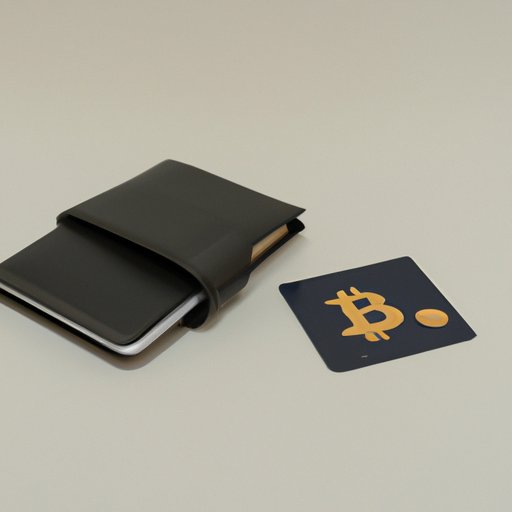
Bitcoin is a cryptocurrency that was created in 2009 by an anonymous individual or group of individuals. It is a decentralized digital currency that can be used for online transactions. Bitcoin is stored in digital wallets and can be sent from one wallet to another. There are several different methods for storing Bitcoin, each with their own advantages and disadvantages. This article will explore the different storage options available and provide information on how to set them up.
Use a Hardware Wallet
A hardware wallet is a physical device that stores Bitcoin offline. It is considered the safest way to store Bitcoin since it is not connected to the internet, which makes it less vulnerable to hacking. Hardware wallets come in a variety of sizes and shapes, such as USB drives and credit card-sized devices. They typically come with a PIN code and recovery phrase, which can be used to access the wallet if it is lost or stolen.
Advantages: A hardware wallet is the most secure way to store Bitcoin since it is not connected to the internet. It offers users full control over their funds and allows for quick and easy transfers. It also allows for multiple accounts and addresses, making it easier to keep track of your funds.
Disadvantages: The main disadvantage of a hardware wallet is that it is not free. Additionally, if the device is lost or stolen, the user may not be able to recover their funds. Also, hardware wallets can be difficult to set up for some users.
How to Set Up a Hardware Wallet: Setting up a hardware wallet is relatively straightforward. First, you need to purchase a hardware wallet from a reputable retailer. Once you have the wallet, you will need to plug it into your computer and install the appropriate software. After this is done, you will be prompted to create a PIN code and a recovery phrase. Once these steps are complete, you can start using your hardware wallet to store your Bitcoin.
Use a Mobile Wallet
A mobile wallet is an app that is installed on a smartphone or tablet and allows users to store and manage their Bitcoin. Mobile wallets are convenient since they allow users to make payments quickly and easily. They are also more secure than web wallets, as they require authentication each time a payment is made.
Advantages: Mobile wallets are convenient and allow for quick and easy payments. They are also more secure than web wallets since they require authentication each time a payment is made. Additionally, many mobile wallets offer additional features, such as in-app exchanges and price alerts.
Disadvantages: The main disadvantage of a mobile wallet is that it is only as secure as the device it is installed on. If the device is lost or stolen, the user may not be able to recover their funds. Additionally, mobile wallets are not always supported by all exchanges.
How to Set Up a Mobile Wallet: Setting up a mobile wallet is relatively simple. First, you will need to download the appropriate app from the App Store or Google Play Store. Once the app is installed, you will be prompted to create a PIN code and a recovery phrase. After this is done, you can start using your mobile wallet to store your Bitcoin.
Use a Desktop Wallet
A desktop wallet is a software program that is installed on a computer and allows users to store and manage their Bitcoin. Desktop wallets are considered more secure than web wallets since they are not connected to the internet. However, they are still vulnerable to malware and viruses.
Advantages: Desktop wallets are more secure than web wallets since they are not connected to the internet. They also allow for quick and easy transfers and offer a range of features, such as in-app exchanges and price alerts. Additionally, many desktop wallets are open source, meaning users can view and modify the code.
Disadvantages: The main disadvantage of a desktop wallet is that it is only as secure as the computer it is installed on. If the computer is lost or stolen, the user may not be able to recover their funds. Additionally, desktop wallets are not always supported by all exchanges.
How to Set Up a Desktop Wallet: Setting up a desktop wallet is relatively simple. First, you will need to download the appropriate software from the official website. Once the software is installed, you will be prompted to create a PIN code and a recovery phrase. After this is done, you can start using your desktop wallet to store your Bitcoin.
Use a Web Wallet
A web wallet is an online service that allows users to store and manage their Bitcoin. Web wallets are convenient since they can be accessed from any device with an internet connection. However, they are considered less secure than other storage methods since they are connected to the internet.
Advantages: Web wallets are convenient since they can be accessed from any device with an internet connection. They also offer a range of features, such as in-app exchanges and price alerts. Additionally, many web wallets are free to use.
Disadvantages: The main disadvantage of a web wallet is that it is not as secure as other storage methods since it is connected to the internet. Additionally, web wallets are not always supported by all exchanges. Finally, if the site is hacked, the user may not be able to recover their funds.
How to Set Up a Web Wallet: Setting up a web wallet is relatively straightforward. First, you will need to sign up for an account on the appropriate website. Once you have created an account, you will be prompted to create a PIN code and a recovery phrase. After this is done, you can start using your web wallet to store your Bitcoin.
Use a Paper Wallet
A paper wallet is a physical document that contains your Bitcoin address and private key. It is considered one of the safest ways to store Bitcoin since it is not connected to the internet. However, it is important to note that paper wallets are vulnerable to physical damage and loss.
Advantages: Paper wallets are considered one of the safest ways to store Bitcoin since they are not connected to the internet. They also offer users full control over their funds and allow for quick and easy transfers. Additionally, paper wallets are free to use.
Disadvantages: The main disadvantage of a paper wallet is that it is vulnerable to physical damage and loss. Additionally, paper wallets are not always supported by all exchanges. Finally, if the paper wallet is stolen, the user may not be able to recover their funds.
How to Set Up a Paper Wallet: Setting up a paper wallet is relatively simple. First, you will need to generate a new address and private key on the appropriate website. Once the address and private key are generated, you will need to print out the paper wallet. After this is done, you can start using your paper wallet to store your Bitcoin.
Use an Online Exchange
An online exchange is a platform that allows users to buy, sell, and trade Bitcoin. Online exchanges are convenient since they allow users to quickly and easily buy and sell Bitcoin. However, it is important to note that online exchanges are not considered the safest way to store Bitcoin since they are connected to the internet.
Advantages: Online exchanges are convenient since they allow users to quickly and easily buy and sell Bitcoin. They also offer a range of features, such as in-app trading and price alerts. Additionally, many online exchanges are free to use.
Disadvantages: The main disadvantage of an online exchange is that it is not as secure as other storage methods since it is connected to the internet. Additionally, online exchanges are not always supported by all exchanges. Finally, if the site is hacked, the user may not be able to recover their funds.
How to Set Up an Online Exchange Account: Setting up an online exchange account is relatively straightforward. First, you will need to sign up for an account on the appropriate website. Once you have created an account, you will be prompted to create a PIN code and a recovery phrase. After this is done, you can start using your online exchange account to buy, sell, and trade Bitcoin.
Conclusion
There are several different options for storing Bitcoin, each with their own advantages and disadvantages. Before deciding which storage method to use, it is important to consider the security, convenience, and cost of each option. Hardware wallets are the most secure, but they are also the most expensive. Mobile wallets are convenient, but they are not as secure as other options. Desktop wallets are secure, but they are not always supported by all exchanges. Web wallets are convenient, but they are not as secure as other options. Paper wallets are secure, but they are vulnerable to physical damage and loss. Finally, online exchanges are convenient, but they are not as secure as other options.
(Note: Is this article not meeting your expectations? Do you have knowledge or insights to share? Unlock new opportunities and expand your reach by joining our authors team. Click Registration to join us and share your expertise with our readers.)