
Introduction
Making a yeast starter is an essential part of the homebrewing process. It helps ensure that your beer will ferment properly and taste great. But what exactly is a yeast starter, and why should you make one? Let’s take a look.
What is a Yeast Starter?
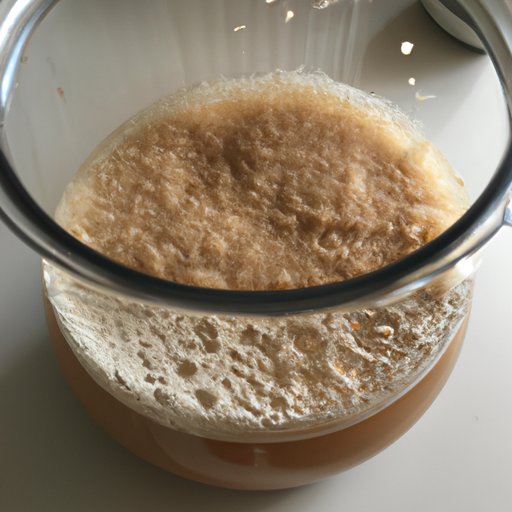
A yeast starter is a small batch of wort used to cultivate yeast for homebrewing. It helps to increase the number of yeast cells in the wort and create a healthy environment for fermentation. This ensures that the beer will turn out as expected.
Why Make a Yeast Starter?
Making a yeast starter is important because it helps increase the amount of yeast cells in the wort. Without enough yeast, the beer can suffer from off-flavors and poor fermentation. A yeast starter also helps to reduce lag time, or the time between pitching the yeast and the start of fermentation.
Step-by-Step Guide on How to Make a Yeast Starter
Making a yeast starter is relatively simple and doesn’t require many supplies. Here is a step-by-step guide on how to make a yeast starter:
Gather Supplies
You will need:
- 1 cup of DME (Dry Malt Extract)
- 2 quarts of water
- 1 packet of yeast
- A 1-gallon container
Prepare the Yeast Starter Wort
In a pot, combine the DME and water and bring to a boil. Once boiling, reduce heat to low and simmer for 10 minutes. Remove from heat and let cool to room temperature.
Pitch the Yeast
Once the wort has cooled, pour it into the 1-gallon container and add the yeast. Secure the lid and shake vigorously to aerate the wort.
Monitor and Maintain
Store the container in a warm, dark place and allow it to ferment for 24-48 hours. During this time, monitor the container for signs of activity such as bubbling or foaming. If needed, adjust the temperature or add more yeast.
A Beginner’s Guide to Making a Yeast Starter
If you’re just starting out with homebrewing, here are some tips for making a successful yeast starter:
Choosing the Right Yeast
When choosing a yeast, it’s important to select one that is suited for the style of beer you are making. Different yeasts have different characteristics and will produce different flavors in the beer. Consult a guide or talk to a homebrewing expert to select the right yeast for your beer.
Cleaning and Sanitizing Equipment
It’s important to clean and sanitize all equipment before using it. Contamination can quickly ruin a batch of beer, so it’s best to be safe and take the necessary precautions. Use a no-rinse sanitizer like Star San and follow the instructions on the packaging.
Tips for Successful Fermentation
To ensure successful fermentation, keep the yeast starter at the right temperature and provide enough oxygen. Most yeast strains prefer temperatures between 68 and 72 degrees Fahrenheit. Aeration can be achieved by shaking the container or using an oxygen stone.
Brewing Basics: Learn How to Make a Yeast Starter
To make a successful yeast starter, there are a few basics you should understand. Here’s a quick guide:
Understanding Yeast Nutrients
Yeast need food to survive and reproduce. This “food” is called nutrients and can be found in the malt extract used to make the wort. Yeast also need nitrogen to grow, which can be provided by adding a few drops of ammonium sulfate solution.
Calculating Yeast Cells Needed
Before making a yeast starter, it’s important to calculate how many yeast cells you need for your beer. This can be done by using a yeast pitch calculator, which takes into account factors such as original gravity, batch size, and desired cell count.
Deciding on a Starter Size
For most beers, a 1-liter starter size is sufficient. However, it’s important to keep in mind that higher gravity beers will require more yeast cells and thus a larger starter size. For these beers, a 2- or 3-liter starter is recommended.
The Home Brewer’s Guide to Making a Yeast Starter
Home brewers often encounter obstacles while making a yeast starter. Here are some tips for overcoming common problems:
Aeration Techniques
Oxygen is essential for yeast growth. To ensure proper aeration, use an oxygen stone or shake the container vigorously for several minutes. Alternatively, you can use a blow-off tube to aerate the wort during fermentation.
Temperature Control
Yeast thrive in certain temperatures, so it’s important to keep the starter within this range. You can control the temperature by placing the container in a warm location or by using a fermentation chamber.
Troubleshooting Common Problems
If you encounter any problems during the fermentation process, it’s best to consult a guide or talk to a homebrewing expert. They can help diagnose the issue and provide advice on how to fix it.

Tips for Making a Perfect Yeast Starter Every Time
Here are some additional tips for making a perfect yeast starter every time:
Brewing with High Gravity Wort
High gravity worts require more yeast cells than normal strength worts. To compensate, use a larger starter size and/or add more yeast.
Reusing Yeast
If you’re making multiple batches of beer, you can save money by reusing yeast from a previous batch. However, it’s important to make sure the yeast is still viable before pitching it into the wort.
Storing Yeast
Yeast can be stored in the refrigerator for up to six months. To store yeast longer, you can create a yeast bank by freezing it in small batches. This will allow you to reuse the yeast for future batches.
Conclusion
Making a yeast starter is an important part of the homebrewing process. It helps ensure that the beer will ferment properly and taste great. With the right supplies, understanding of brewing basics, and a few tips and tricks, you can make a perfect yeast starter every time.
By following the steps outlined in this article, you can make a yeast starter that is full of healthy yeast cells and ready to ferment. Doing so will give you the best chance of producing a delicious beer that everyone will enjoy.
Summary of Key Points
- A yeast starter is a small batch of wort used to cultivate yeast for homebrewing.
- Making a yeast starter helps to increase the number of yeast cells in the wort and create a healthy environment for fermentation.
- Choose the right yeast, clean and sanitize equipment, and make sure to aerate and control the temperature of the wort.
- Understand yeast nutrients, calculate yeast cells needed, and decide on a starter size.
- Aerate the wort, control the temperature, and troubleshoot common problems.
- Brew with high gravity wort, reuse yeast, and store yeast for future use.
(Note: Is this article not meeting your expectations? Do you have knowledge or insights to share? Unlock new opportunities and expand your reach by joining our authors team. Click Registration to join us and share your expertise with our readers.)