
Introduction
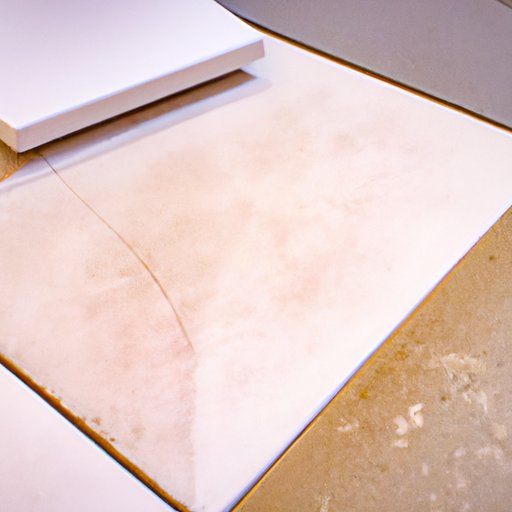
Tiles are a popular choice for both indoor and outdoor spaces due to their durability, low maintenance, and versatility. Tiles are thin, flat pieces of material that come in a variety of materials and sizes, and they can be used to cover surfaces such as walls and floors. There are several different types of tiles available, including porcelain, ceramic, natural stone, and glass. In this article, we will explore the mechanics of tile installation, proper tile installation techniques, types of tiles, how to prepare a floor for tile installation, and the benefits of using tile in home design.

Exploring the Mechanics of Ceramic Tile Installation
Installing ceramic tile is a complex process that requires attention to detail and precision. The first step is to prepare the surface by ensuring that it is clean, dry, and level. Next, an underlayment such as cement board or plywood must be installed to provide a stable base for the tiles. Once the underlayment is in place, the pattern of the tiles can be laid out and the tiles can be set in place. After setting the tiles, they must be grouted to fill in any gaps and seal the joints.
A Guide to Proper Tile Installation Techniques
When installing tiles, there are several important techniques to keep in mind. First, cutting and shaping tiles accurately is essential for achieving a professional-looking finish. Special tools such as wet saws and tile nippers are often used to achieve precise cuts and shapes. Additionally, it is important to ensure that the tiles are level when installing them. This can be done by using a spirit level and making adjustments as necessary. Finally, it is important to select the right type of adhesive for the job. Adhesives vary depending on the type of tiles being installed and the substrate.

Understanding the Different Types of Tiles and Their Uses
As mentioned previously, there are several different types of tiles available. Porcelain tiles are made from a mixture of clay and other minerals, and they are highly durable and resistant to moisture. Ceramic tiles are also made from clay and other minerals, but they are less dense and more porous than porcelain tiles. Natural stone tiles are made from a variety of materials such as marble, granite, and slate, and they are available in a wide range of colors and patterns. Glass tiles are made from clear or colored glass and are often used to create decorative accents.

How to Prepare a Floor for Tile Installation
Before installing tiles, it is important to assess the condition of the subfloor. Any dirt, grease, or debris should be removed and any cracks or holes should be filled. Additionally, it is important to select the right type of mortar for the job. Mortar is a cement-based adhesive that is used to secure the tiles to the subfloor. The type of mortar selected should be appropriate for the type of tiles being installed and the type of subfloor.
Exploring the Benefits of Using Tile in Home Design
Using tiles in home design offers several advantages. One of the most significant benefits is their durability. Tiles are designed to last for many years with minimal maintenance. Additionally, tiles require very little upkeep, as they can easily be cleaned with a damp cloth. Furthermore, tiles are extremely versatile, as they can be used to create a variety of looks in any space. Finally, tiles are available in a wide range of styles, colors, and textures, so they can be used to create unique and personalized designs.
Conclusion
Tiles are a great choice for both indoor and outdoor spaces due to their durability, low maintenance, and versatility. Understanding the mechanics of tile installation, proper tile installation techniques, types of tiles, how to prepare a floor for tile installation, and the benefits of using tile in home design are all important aspects of creating beautiful, long-lasting designs. With the right knowledge and preparation, anyone can successfully install tiles in their home.
(Note: Is this article not meeting your expectations? Do you have knowledge or insights to share? Unlock new opportunities and expand your reach by joining our authors team. Click Registration to join us and share your expertise with our readers.)