
Introduction
Climate change is one of the most pressing issues facing the world today. As temperatures continue to rise, sea levels increase, and extreme weather events become more frequent and severe, it is clear that urgent action needs to be taken to combat this global crisis. One way in which this can be achieved is through the use of technology, as it has the potential to reduce emissions of greenhouse gases and other pollutants that contribute to global warming.
This article will explore the role of technology in mitigating climate change, with a particular focus on innovative solutions such as renewable energy sources, smart cities, and automation and artificial intelligence (AI). It will also assess the potential of these technologies to reduce greenhouse gas emissions and address global warming. By the end of the article, readers should have a clearer understanding of the various ways in which technology can help combat climate change.
Examining the Role of Technology in Climate Change Mitigation
The primary cause of climate change is the release of greenhouse gases into the atmosphere, primarily from the burning of fossil fuels. According to the World Resources Institute, an estimated 79% of global greenhouse gas emissions come from energy production and consumption, with transportation and industrial processes contributing to the remaining 21%.
Fortunately, there are numerous existing technologies that can reduce emissions from these sources. For example, electric vehicles emit significantly fewer pollutants than traditional gasoline-powered cars, while renewable energy sources such as solar and wind power can replace fossil fuels for electricity generation. These technologies are already being used in many parts of the world, and their adoption is likely to increase as governments and businesses seek to reduce their carbon footprints.
In addition to current technologies, further developments in the field of technology could potentially play an even bigger role in mitigating climate change. According to a report by the Intergovernmental Panel on Climate Change (IPCC), “new technological options and approaches provide opportunities for deep reductions in global GHG [greenhouse gas] emissions”. This suggests that further advancements in technology could have a major impact on reducing emissions and addressing global warming.

Exploring Innovative Technologies for Reducing Greenhouse Gas Emissions
One of the most promising areas of technological development is the use of alternative energy sources. These include renewable energy sources such as solar, wind, geothermal, and hydroelectric power, which can produce electricity without releasing any emissions. Not only do these sources have the potential to reduce greenhouse gas emissions, but they can also be more cost-effective than traditional methods of electricity generation.
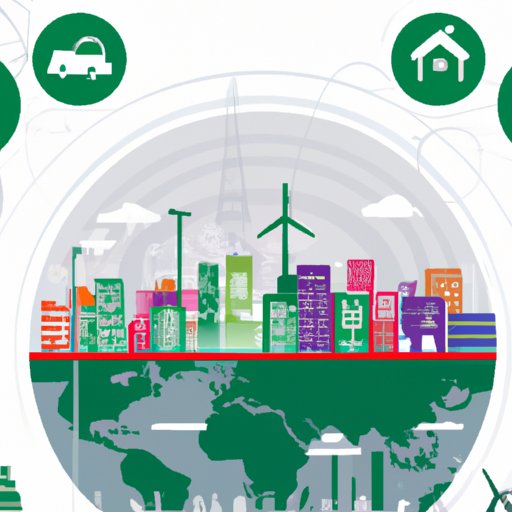
Another area of innovation is the use of smart cities. Smart cities are urban areas that use information and communication technologies to improve efficiency, reduce emissions, and create better living conditions for their inhabitants. The use of automation and AI in smart cities can help to reduce energy consumption and waste, thus leading to lower levels of greenhouse gas emissions.

Investigating How Smart Cities Can Combat Climate Change
Smart cities rely heavily on automation and AI-driven solutions to reduce emissions and conserve resources. Automated systems can be used to control traffic flow, optimize energy usage, and monitor air quality, all of which can help to reduce pollution and greenhouse gas emissions. Furthermore, AI can be used to identify patterns and trends in large datasets, allowing for more efficient decision-making and resource management.
In addition, smart cities can also promote green initiatives such as public transport, cycling and walking, and the use of renewable energy sources. This can lead to further reductions in emissions, as well as improved health outcomes for citizens due to reduced air pollution.
Analyzing the Impact of Renewable Energy Sources on Global Warming
Renewable energy sources such as solar and wind power can play an important role in reducing emissions, as they produce electricity without releasing any greenhouse gases. In addition, the use of renewable energy sources can also help to reduce global warming, as they are less prone to fluctuations in supply and demand than traditional energy sources. This can help to ensure a stable and reliable source of electricity, which can help to keep temperatures at manageable levels.
Furthermore, renewable energy sources can also provide economic benefits. According to a study by the International Renewable Energy Agency, the deployment of renewable energy sources could generate up to $4 trillion in investments and create over 24 million jobs by 2030. This suggests that investing in renewable energy sources could not only help to reduce emissions, but also stimulate economic growth.

Assessing the Benefits of Automation and Artificial Intelligence in Addressing Climate Change
Automation and AI can also have a significant impact on reducing emissions and addressing global warming. Automation can help to reduce energy consumption by improving efficiency, while AI can be used to analyze large datasets and identify patterns and trends that can be used to make more informed decisions about resource management. Furthermore, AI can also be used to develop new technologies that can further reduce emissions.
For example, AI-driven solutions such as machine learning algorithms can be used to develop more efficient renewable energy sources, or to identify new ways of reducing emissions from existing sources. AI can also be used to develop models that can accurately predict future climate change scenarios, allowing for better preparedness and mitigation efforts.
Conclusion
From renewable energy sources to smart cities and automation and AI, technology has the potential to play a major role in mitigating climate change. By reducing emissions from energy production and consumption, promoting green initiatives, and developing more efficient technologies, technology can help to reduce global warming and create a more sustainable future. It is therefore essential that governments, businesses, and individuals invest in technological solutions if we are to effectively combat climate change.
In conclusion, technology can help to mitigate climate change in a number of ways. By exploring the potential of alternative energy sources, renewable energy, smart cities, and automation and AI, we can reduce emissions and address global warming. Investing in these technologies now can help to ensure a more sustainable future for generations to come.
(Note: Is this article not meeting your expectations? Do you have knowledge or insights to share? Unlock new opportunities and expand your reach by joining our authors team. Click Registration to join us and share your expertise with our readers.)